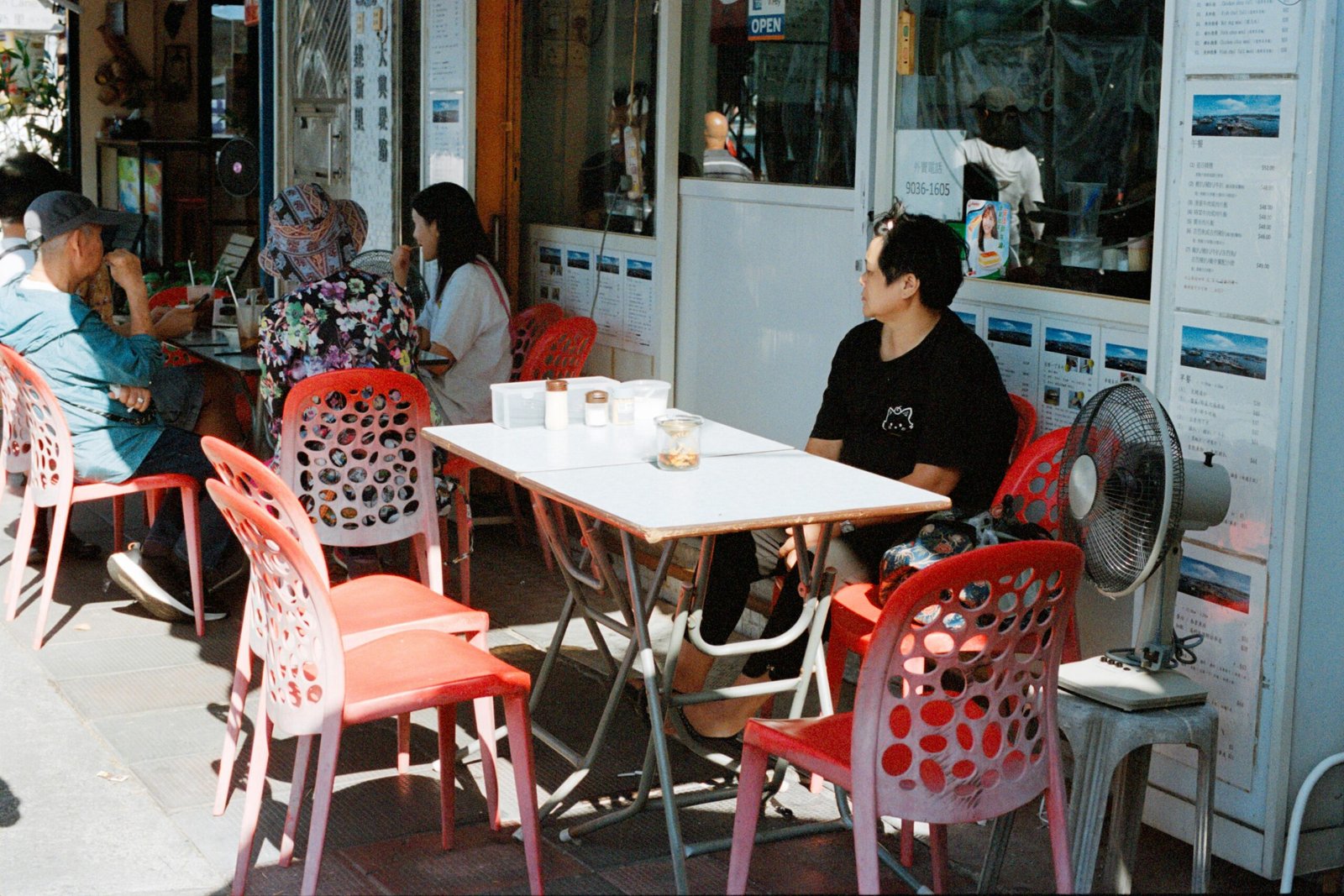
Ever wondered how that corner coffee shop, the one with the slightly worn armchairs and the barista who remembers your order, becomes more than just a place to grab a caffeine fix? It’s not magic, though sometimes it feels like it. Local cafes weave themselves into the fabric of our daily routines by offering a blend of consistent quality, genuine connection, and a welcoming atmosphere. They become reliable anchors in our busy lives, places we count on for a familiar ritual, a quiet moment, or a quick catch-up.
Part of what makes a local cafe a daily habit is the simple fact that you know what you’re going to get.
Consistent Quality: More Than Just Coffee
This isn’t just about the coffee being good (though that’s a huge part of it!). It’s about consistency in every aspect.
The Daily Brew: A Reliable Wake-Up Call
When you walk into your favorite cafe, you expect that latte to taste the same today as it did yesterday. This reliability is a huge draw. It removes decision fatigue and offers a small, predictable pleasure to start your day or power through your afternoon slump. The aroma of freshly ground beans, the satisfying hiss of the espresso machine, the visual cue of that perfect crema – these are all part of the sensory experience that becomes a comforting constant. It’s not about pushing boundaries with exotic blends every single day; it’s about a dependable, high-quality execution of the basics. This consistency builds trust and makes returning effortless.
Beyond the Bean: Food and Treats Matter Too
While coffee is often the star, the accompanying food and pastries play a significant role. Locally baked goods, fresh sandwiches, or even just a perfectly ripe banana offer another layer of dependable satisfaction. When a cafe consistently offers light yet satisfying breakfast options or a tempting pastry that’s always fresh, it becomes a more comprehensive destination for your daily needs. This extends to dietary considerations too. Cafes that offer a decent non-dairy milk option, a gluten-free pastry, or a simple fruit salad cater to a broader range of regular customers.
The Familiarity Factor: A Sense of Belonging
Beyond the taste, there’s a deep comfort in knowing where you are and who might be there.
Recognizing Faces: Baristas as Community Connectors
This is where the human element shines. Baristas who learn your name, your usual order, and maybe even a bit about your day are invaluable. They create a friendly face, a brief but genuine interaction that can significantly brighten a person’s experience. It’s not about forced cheerfulness; it’s about acknowledging presence and creating a sense of being seen. These familiar faces can act as a social lubricant, making the cafe feel less like a transaction and more like a community hub. They are often the first point of contact, setting the tone for every visit.
Ambiance as a Comfort Zone: The “Third Place” Experience
The physical space of a cafe contributes immensely to its integration into daily life. Think about the comfortable seating, the background music at just the right volume, or even the natural light that streams in. These elements create a space that feels welcoming and conducive to whatever you need at that moment – to work, to chat, or to simply be. This concept of a “third place” – a space separate from home (first place) and work (second place) – is crucial. It provides a neutral, accessible ground for relaxation, connection, and contemplation. The worn tables might tell stories, the local art on the walls adds character, and the general hum of activity creates a sense of shared experience without being overwhelming.
Making it Easy to Integrate into Routines
Convenience and accessibility are non-negotiable for any place aiming to become a daily stop.
Location, Location, Location: The Convenience Edge
It sounds obvious, but a cafe’s proximity is a major driver of its daily integration.
The Commute Companion: On the Way to Work or Home
Cafes strategically placed along popular commute routes naturally become part of the daily journey. Whether it’s a quick stop to grab a coffee before catching a train, a pick-me-up during a lunch break near the office, or a treat on the way home, the accessibility is key. This isn’t just random foot traffic; it’s about being present where people already are, at times when they need a little something. This strategic placement reduces the mental effort required to visit, making it an easy, almost unconscious part of the daily grind.
Weekend Rituals: A Familiar Starting Point
For many, weekends bring a slight shift in routine, but local cafes often remain central. A leisurely Saturday morning coffee before errands, a Sunday brunch with family, or a quiet afternoon reading spot – these become ingrained habits. The cafe becomes a marker of the passage of time, a way to punctuate the week and transition into relaxation. The predictable quality and welcoming atmosphere make it a natural choice for these more relaxed moments, offering a gentle start or a pleasant interlude.
Speed and Efficiency: Catering to Busy Lives
No one wants to spend their precious minutes stuck in a long queue if they have other places to be.
The Grab-and-Go Experience: Pre-Orders and Quick Service
In today’s fast-paced world, waiting isn’t always an option. Cafes that offer efficient service, whether through well-practiced counter flow, effective order-taking, or even mobile pre-order systems, cater directly to the time-pressed individual. The ability to get a quality product quickly and without fuss is a significant factor in repeated visits. This isn’t about rushing customers out the door, but about respecting their time and ensuring a smooth transition from ordering to enjoying their purchase.
Seamless Transactions: Payment Options and Loyalty Programs
The ease of the transaction itself matters. Offering various payment methods and having streamlined processes reduces friction. Furthermore, well-designed loyalty programs can provide a gentle incentive for continued patronage. These programs can range from simple punch cards to digital apps, offering tangible rewards that make customers feel valued and encourage them to return. It’s about making the act of paying as effortless as possible, so the focus remains on the enjoyment of the product and the experience.
Building Community Threads: More Than Just a Transaction
The most successful local cafes become more than just places to consume; they become places to connect.
A Hub for Social Interaction: Facilitating Connections
Cafes serve as natural gathering spots for a variety of social interactions.
The Meeting Point: Friends, Colleagues, and First Dates
They are the go-to for casual catch-ups with friends, informal meetings with colleagues, and even the sometimes-awkward jitters of a first date. The relaxed atmosphere, the availability of private or semi-private seating, and the general ambiance create an ideal setting for these interactions. It’s a neutral ground where conversations can flow without interruption, and where the background hum provides a comfortable level of privacy. This makes the cafe a dependable venue for whatever social occasion arises.
Local Events and Gatherings: Fostering a Sense of Place
Some cafes actively participate in their local communities by hosting events. This might include open mic nights, book clubs, local artist exhibitions, or even small workshops. By providing a space for these activities, they become more than just businesses; they become cultural anchors that enrich the neighborhood. These events not only draw new customers but also strengthen the bonds between existing patrons and the cafe, solidifying its role as a community cornerstone. It’s about giving people a reason to gather, beyond the basic need for coffee.
Creating Atmosphere: The “Vibe” Factor
The intangible “vibe” of a cafe is a powerful draw.
Music and Art: Curating the Sensory Experience
The careful selection of background music, the display of local art, or even the unique décor all contribute to a cafe’s distinctive personality. This curated sensory experience can make a space feel more inviting and memorable. It’s about creating an atmosphere that resonates with people, making them feel comfortable and engaged. The right music can set a mood, whether it’s for relaxed contemplation or quiet productivity, and the art can spark conversation or provide visual interest.
Comfort and Coziness: The Lure of a Welcoming Space
Beyond trends, there’s an enduring appeal to cafes that simply feel comfortable and inviting. Think plush armchairs, warm lighting, and a generally unhurried atmosphere. These elements create a sanctuary where people can retreat from the outside world and feel at ease. It’s about creating a space that feels lived-in and loved, a place where you can genuinely relax and recharge. This focus on comfort makes the cafe a desirable destination for extended visits, turning a quick coffee into a mini-getaway.
Adaptability and Responsiveness: Evolving with the Neighbourhood
To remain relevant and integrated, cafes need to be able to listen and adapt.
Listening to the Community: Feedback and Evolution
Good local cafes are often keenly aware of their customers’ needs and preferences.
Customer Preferences: Adapting Menus and Offerings
This could mean adding new menu items based on customer requests, adjusting opening hours, or stocking specific brands of tea or coffee. Being responsive to what the community wants shows that the cafe values its patrons and is invested in their satisfaction. It’s not about chasing every fleeting trend, but about making thoughtful adjustments that enhance the overall experience. This feedback loop is crucial for long-term success and for maintaining that feeling of being a cherished part of the neighborhood.
Dietary Needs and Lifestyles: Inclusivity in Offerings
In today’s diverse society, catering to various dietary needs and lifestyles is increasingly important. This includes offering more plant-based milk options, clearly labeling allergens, providing gluten-free or vegan choices, and possibly even extending to ethical sourcing practices. When a cafe can accommodate these needs without compromising on quality or flavor, it makes it a more accessible and inclusive space for a wider range of people, further embedding it in their daily lives.
Staying Relevant: Keeping Things Fresh
While consistency is key, a complete lack of evolution can lead to stagnation.
Seasonal Specials: A Touch of Novelty
Introducing seasonal drinks or food items adds a touch of excitement and offers customers something new to try. This could be a spiced latte in the fall, a refreshing iced tea in the summer, or a special pastry tied to a local festival. These limited-time offerings create a sense of urgency and anticipation, encouraging repeat visits and providing a subtle way to inject novelty into the routine without sacrificing the core quality.
Small Improvements: Investing in the Space
Even seemingly small updates to the cafe’s interior, such as new seating, improved lighting, or updated artwork, can make a difference. These ongoing investments signal that the cafe is a dynamic entity, committed to maintaining and improving the customer experience. It’s about showing that the business is thriving and dedicated to providing a pleasant environment that keeps people coming back.
The Unseen Infrastructure: Behind the Scenes of Daily Life
| Metrics | Data |
|---|---|
| Number of local cafes | 200 |
| Percentage of people who visit local cafes daily | 35% |
| Types of beverages consumed | Coffee, tea, smoothies |
| Average time spent at a local cafe | 1 hour |
| Reasons for visiting local cafes | Relaxation, socializing, work |
The smooth operation of a local cafe relies on a lot of behind-the-scenes work that makes it appear effortless.
Staffing and Training: The Human Machines
The people behind the counter are the heart of the operation.
Efficient Workflow: Training for Speed and Quality
Well-trained staff are crucial for maintaining speed and quality, especially during busy periods. This involves mastering the art of multitasking, understanding the nuances of coffee making, and providing friendly, efficient service. Their ability to navigate a busy environment with a smile is a testament to good training and a positive work culture. They are the ones who ensure that the predictable perfection customers expect is delivered consistently.
Building Relationships: The Personal Touch
Beyond technical skills, staff who are encouraged to engage with customers and build rapport create a more welcoming environment. Knowing regulars’ names, remembering their order, or simply offering a friendly greeting can transform a transactional encounter into a personal one. This human connection is often the differentiating factor that makes a local cafe a truly cherished part of someone’s day.
Sourcing and Partnerships: The Local Connection
The ingredients and products a cafe uses often tell a story about its commitment to its community.
Local Suppliers: Supporting the Neighborhood Economy
Partnering with local bakeries, dairies, or coffee roasters not only ensures fresh, high-quality ingredients but also strengthens the local economy. This sense of local collaboration can resonate with customers who value supporting their community. When a cafe proudly displays or mentions its local suppliers, it adds another layer of authenticity and connection to the neighborhood identity.
Ethical Practices: Conscious Consumption
Increasingly, consumers are interested in the ethical and sustainable practices of the businesses they support. Cafes that prioritize fair trade coffee, organic ingredients, or reduce their waste are more likely to attract and retain customers who share these values. This commitment to responsible sourcing can be a quiet but powerful draw, aligning with the values of their regular patrons and contributing to the cafe’s positive reputation.
By blending consistent quality, genuine connection, and a welcoming atmosphere, local cafes become far more than just places to grab a drink. They become reliable anchors, comfortable sanctuaries, and vibrant community hubs that are genuinely woven into the fabric of people’s daily lives. It’s a quiet, ongoing process of providing value, fostering relationships, and simply being a welcoming presence in the neighborhood.
FAQs
1. What makes local cafes become part of people’s daily lives?
Local cafes become part of people’s daily lives due to their convenient locations, cozy atmospheres, and personalized customer service. They often offer a familiar and comfortable space for people to socialize, work, or relax.
2. How do local cafes contribute to the community?
Local cafes contribute to the community by providing a gathering place for residents, supporting local artists and musicians, and sourcing ingredients from nearby businesses. They also often host community events and fundraisers.
3. What role do local cafes play in promoting a sense of belonging?
Local cafes play a significant role in promoting a sense of belonging by fostering a welcoming and inclusive environment. They often become a “third place” for people to connect with others outside of their home and workplace.
4. How do local cafes impact the local economy?
Local cafes contribute to the local economy by creating job opportunities, supporting other small businesses through partnerships, and attracting visitors to the area. They also often source their products locally, further stimulating the economy.
5. What are some ways people incorporate local cafes into their daily routines?
People incorporate local cafes into their daily routines by visiting them for their morning coffee, meeting friends for lunch or after-work drinks, and attending events or workshops hosted by the cafes. Many also use local cafes as a place to work or study.