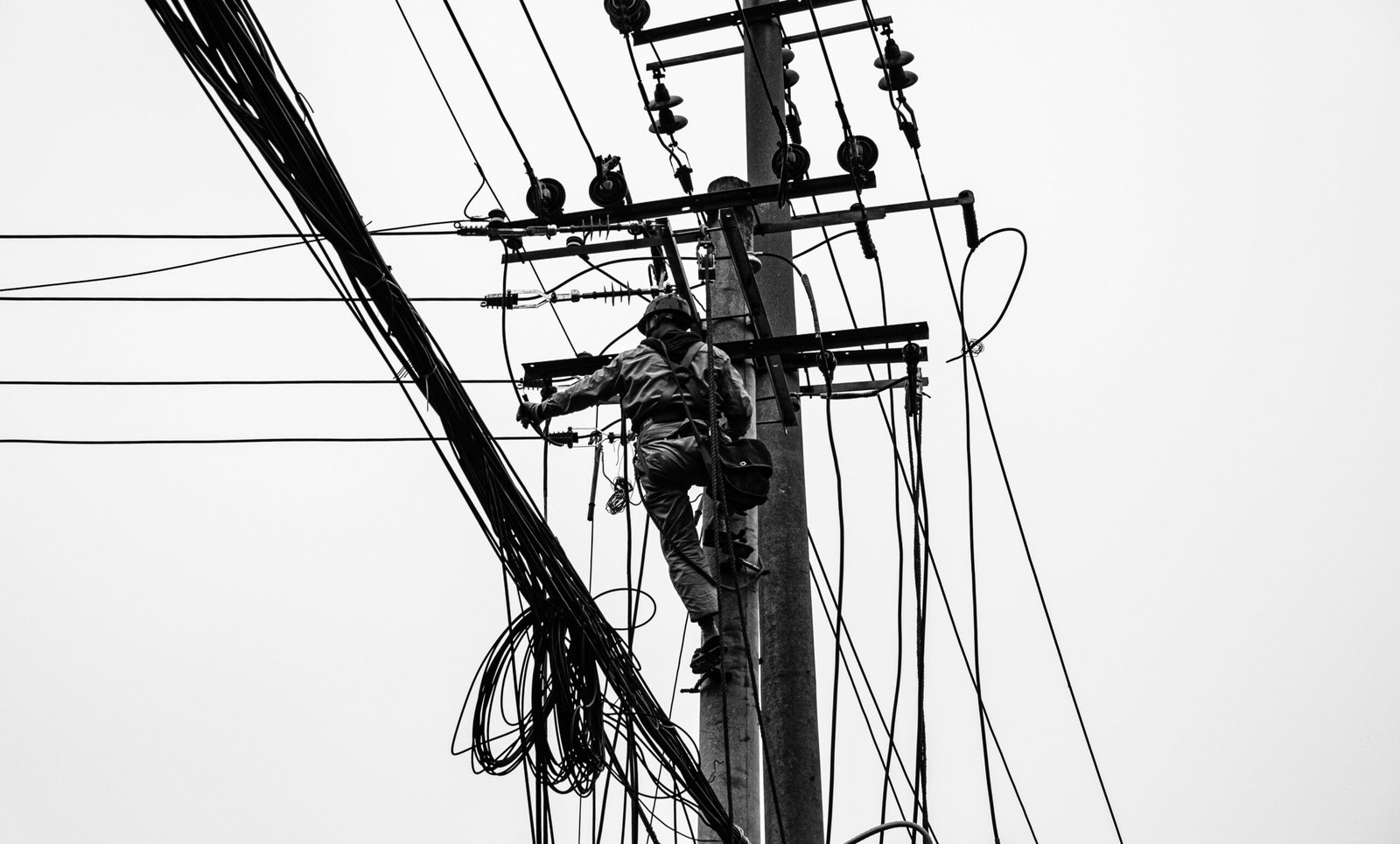
Utility capacity is a real bottleneck for building new homes, plain and simple. It’s not just about having land; it’s about having enough power, water, and sewer hookups to support those new houses. When the infrastructure can’t keep up, it slows down or even stops new construction in its tracks.
When you think about building a new house, you probably picture concrete, wood, and a whole lot of permits. But there’s a less visible, yet equally critical, element: utility capacity. This is the backbone of any modern development, providing the essential services that make homes livable. Think electricity, water, and sewage. Without sufficient capacity in these systems, you simply can’t connect new homes, no matter how much you want to build.
Electricity: The Ever-Growing Demand
The biggest hurdle for many new housing projects today is the electrical grid. As we build more homes, and as those homes become more technologically integrated and energy-conscious (like with electric heating and appliances), the demand for electricity surges. Utilities are tasked with not only meeting current needs but also anticipating future growth.
The All-Electric Shift: New York’s Grid Challenge
Take New York, for instance. Their all-electric building law, set to take full effect in January 2026, is pushing developers towards electric systems for new constructions. This sounds great for the environment, but it’s creating significant headaches. Developers are already reporting that the existing electric grid capacity in certain areas simply can’t handle the increased load from all-electric homes. Some projects are being delayed, and others are being outright canceled because the transformers and power lines aren’t robust enough. Utilities themselves are acknowledging these shortcomings, indicating that substantial upgrades are needed – upgrades that often come with hefty costs for the developers. Gerber Homes’ Fourmile Creek project in Ontario is a real-world example where insufficient power from the utility is a major stumbling block.
The White House Pivot: Streamlining Energy Regulations
Recognizing that energy efficiency and green mandates can sometimes inadvertently inflate housing costs, the White House took an executive action in March 2026. The goal here is to unburden federal agencies from what are described as “burdensome energy-efficiency and green-energy mandates” that contribute to higher housing prices. This includes looking at reforms to things like manufactured housing standards and building codes, aiming to make construction more affordable and potentially alleviate some of the pressure on utility systems by encouraging more balanced energy consumption approaches.
The Grid’s Coming Surge: A Potential Respite?
Looking ahead, there’s a significant planned surge in U.S. electric capacity expected in 2026. Projections point to a record 86 gigawatts (GW) of additions. This capacity is largely coming from renewable sources, with solar making up about 51%, batteries at 28%, and wind at 14%. A smaller portion, 6.3 GW, is from natural gas. This massive influx of new power generation, following a significant 53 GW added in 2025, could offer some much-needed relief for utility constraints on construction in the future. It’s a sign that utilities are working to increase their capacity, but the timing and distribution of these upgrades will be key to seeing it impact new home building across the board.
Water and Wastewater: More Than Just a Tap
It’s easy to take running water and a functioning sewer system for granted, but these are fundamental utility services that require significant infrastructure. Building new homes means needing more water supply, and crucially, more capacity to treat and dispose of wastewater.
Florida’s Push for Expansion: SB1014’s Impact
In Florida, a state grappling with substantial population growth and housing demand, legislation like SB1014, passed in 2026, aims to address these very issues. This bill mandates that municipal utilities assess their capacity to serve areas outside their current limits within a tight 90-day timeframe. Moreover, it prohibits utilities from simply declining requests for extensions if the capacity can be found or upgraded. The intention is clear: to streamline the process and ensure that housing development isn’t stymied by a utility’s reluctance or inability to expand its reach. This is a proactive measure designed to support construction by removing a potential barrier.
Modular Housing: Unique Challenges, Unique Solutions
Modular housing, where homes are built off-site in sections and then assembled on location, offers a faster and often more cost-effective way to build. However, these projects face their own set of utility-related challenges, especially when dealing with infill development within existing communities.
The “Utility Drops” and Site Constraints
For modular projects, particularly those in denser urban or suburban areas (often referred to as infill development), securing adequate utility connections can be a hurdle. The term “utility drops” refers to the physical connection point of services like electricity, water, and gas to the property. In established areas, existing utility lines might be at capacity or difficult to access without significant disruption. Furthermore, site constraints, such as the need for fire separation requirements between buildings, can sometimes limit the density that can be achieved, and by extension, the number of units that can be supported by existing utility infrastructure on that specific parcel.
Parking Rules and Density: A Complex Equation
Interestingly, changes in local regulations, like new parking rules, can sometimes indirectly boost the density of modular housing projects. When parking requirements are relaxed, it can free up space allowing for more housing units to be built on a given plot. However, this increased density immediately puts more pressure on the underlying utility capacity. So, while a change in parking rules might seem purely about land use, it has a direct ripple effect on the demand for water, power, and sewer services. This highlights the interconnectedness of planning and utility infrastructure.
HUD and Utility Allowances: Ensuring Affordability
For affordable housing projects overseen by the U.S. Department of Housing and Urban Development (HUD), understanding and correctly accounting for utility costs is crucial. These “utility allowances” are essentially estimates of what residents will pay for their utilities. If these allowances are too low compared to actual resident usage, it can put a strain on the affordability of the housing.
Engineering-Based Methods and Consumption Factors
HUD uses engineering-based methods to determine these allowances. These methods categorize housing units based on various consumption factors. This means they look at things like the type of heating system, the expected water usage (given the number of bathrooms or fixtures), and even the general size of the unit. The goal is to provide a realistic projection of utility costs.
The Need for Adjustments: Bridging the Gap
The challenge arises when these calculated allowances don’t match reality. If residents are consistently paying more for utilities than the allowance suggests, it means the initial estimates were too conservative. This can lead to issues with program budgets, resident financial stability, and even the overall success of affordable housing initiatives. Therefore, ongoing review and adjustment of utility allowances are necessary to ensure they accurately reflect actual costs and don’t become an unexpected burden, indirectly impacting the pace of new affordable housing construction.
The Future of Capacity: Innovation and Planning
The limitations imposed by utility capacity aren’t static. There’s a constant effort to innovate in how we manage and expand these essential services. The large-scale addition of renewable energy sources and battery storage is a prime example of how the industry is attempting to catch up and, hopefully, get ahead of demand.
Investing in Infrastructure: The Long Game
Ultimately, solving the utility capacity issue for housing construction is a long-term game. It requires significant investment in upgrading and expanding existing infrastructure – power grids, water treatment plants, and sewer systems. This isn’t something that can be fixed overnight. It involves careful planning, substantial capital, and coordinated efforts between developers, utilities, and government agencies.
The Interplay of Regulation and Reality
As we’ve seen, regulations like New York’s all-electric law and Florida’s SB1014 highlight the direct interplay between policy and the physical limitations of infrastructure. While regulations can drive necessary changes in building practices, they must be carefully aligned with the reality of what the existing utility systems can support. Conversely, if utilities are too resistant to necessary upgrades or extensions, it can stifle development, as seen with some modular projects. The goal is a balanced approach where policy encourages progress without outstripping the fundamental ability to power and service new homes.
FAQs
What are utility capacity limits in the context of new housing construction?
Utility capacity limits refer to the maximum amount of water, electricity, gas, and sewage that a utility system can handle. When these limits are reached, it can restrict the ability to add new housing developments to an area.
How do utility capacity limits impact new housing construction?
When utility capacity limits are reached, it can lead to delays or restrictions on new housing construction. Developers may need to wait for upgrades to the utility infrastructure before proceeding with new projects, which can slow down the pace of housing development.
What are the common causes of utility capacity limits?
Utility capacity limits can be caused by a variety of factors, including aging infrastructure, population growth, increased demand for utilities, and inadequate investment in utility upgrades. These factors can strain the existing utility systems and lead to capacity constraints.
How do local governments address utility capacity limits in relation to new housing construction?
Local governments may address utility capacity limits by requiring developers to conduct impact studies to assess the potential strain on utility systems. They may also work with utility providers to plan and fund infrastructure upgrades to accommodate new housing developments.
What are potential solutions to mitigate the impact of utility capacity limits on new housing construction?
Potential solutions to mitigate the impact of utility capacity limits include investing in infrastructure upgrades, implementing water and energy conservation measures, promoting mixed-use developments, and encouraging higher density housing to make more efficient use of existing utility capacity.