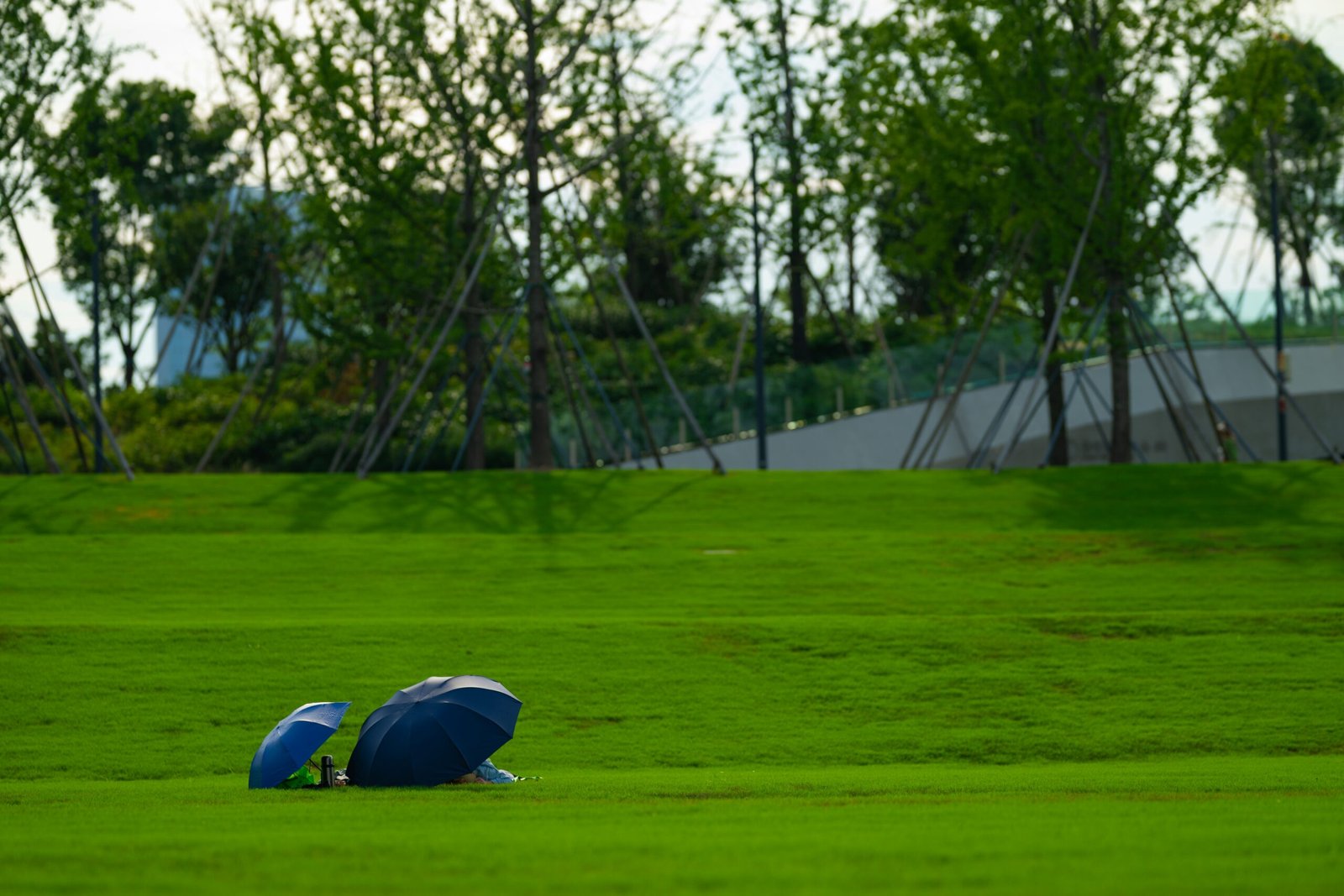
Spending time outdoors every day can genuinely shift how you live your life, and it’s not some magic fix, but rather a practical, consistent nudge in a healthier direction. Think of it as building small, sustainable habits that accumulate over time, leading to noticeable changes in your physical well-being, mental clarity, and general outlook. It’s about integrating nature into your routine, even in small doses, and observing how it subtly reshapes your daily rhythm.
The most immediate impact of daily outdoor time is often on your physical body. It’s not about strenuous exercise necessarily, but simply moving your body in a natural environment.
Increased Vitamin D Production: The Sun’s Essential Role
Our bodies are designed to produce Vitamin D when exposed to sunlight. This vitamin is crucial for more than just bone health; it plays a part in immune function and can even influence mood. Getting a daily dose, even on cloudy days, helps maintain healthy levels, preventing deficiencies that can lead to fatigue and a weakened immune system. It’s a simple, free way to support your body’s natural processes.
Enhanced Physical Activity Levels
When you’re outside, you tend to move more. Whether it’s a brisk walk, a leisurely stroll, or just playing with kids or pets, the opportunities for activity are abundant. This can lead to:
More Consistent Exercise Habits
It’s often easier to stick to a daily walk than to commit to gym sessions several times a week, especially if the weather is unpredictable or travel time is a factor. The accessibility of the outdoors makes it a low-barrier habit to maintain. You might find yourself walking further or more often simply because you’re enjoying the surroundings.
Greater Calorie Expenditure
Even gentle walking burns calories. Over time, this consistent activity can contribute to weight management or help maintain a healthy weight without feeling like a chore. It’s a subtle, integrated approach to fitness.
Improved Sleep Quality
Exposure to natural light, particularly in the morning, helps regulate your body’s internal clock, also known as your circadian rhythm. This can lead to falling asleep more easily and experiencing deeper, more restorative sleep.
Alignment with Natural Light Cycles
Your body naturally associates sunlight with wakefulness. By getting outdoors early, you signal to your brain that it’s time to be alert. As the day progresses and light levels decrease, your body begins to prepare for sleep. This natural signaling can combat issues with insomnia and fragmented sleep.
Sharpening Your Mental Resilience and Reducing Stress
Beyond the physical, the mental benefits of daily outdoor time are profound. Nature has a calming effect that can significantly impact your stress levels and overall mental state.
Stress Reduction and Cortisol Levels
Studies have shown that spending time in natural environments can lower cortisol levels, the body’s primary stress hormone. Even short periods outdoors can trigger a relaxation response, helping to quiet a racing mind. This is a vital protective mechanism against the chronic stress of modern life.
The “Biophilia” Hypothesis in Action
This hypothesis suggests humans have an innate tendency to seek connections with nature. When we step outside, we are tapping into this deep-seated need, which provides a sense of peace and restoration. It’s not just about pretty scenery; it’s about a fundamental human requirement.
Enhanced Mood and Reduced Symptoms of Depression and Anxiety
The combination of natural light, fresh air, and physical movement can be a powerful antidepressant and anxiolytic. The sensory experience of nature – the sights, sounds, and smells – can be incredibly grounding and uplifting.
Increased Serotonin Levels
Sunlight exposure is linked to increased serotonin production, a neurotransmitter associated with feelings of well-being and happiness. This can be a contributing factor to the mood-boosting effects of spending time outdoors.
Improved Focus and Cognitive Function
Paradoxically, stepping away from screens and obligations to spend time outdoors can actually improve your ability to focus. Your brain gets a chance to rest and recharge, which can lead to greater mental clarity upon returning to tasks.
The Benefits of “Soft Fascination”
Nature offers what is known as “soft fascination” – phenomena that engage our attention without demanding focused effort. This allows our directed attention, which often gets depleted by demanding tasks, to recover. This can make you more productive and creative afterward.
Fostering a Deeper Connection with Your Surroundings
Daily outdoor time encourages a greater awareness of the world around you, moving you away from a purely indoor, often screen-dominated existence.
Increased Mindfulness and Presence
When you are outdoors, you are more likely to be present in the moment. You notice the subtle changes in weather, the different bird songs, the way the light falls on leaves. This practice cultivates mindfulness, helping you to appreciate the
simple things.
Sensory Engagement Beyond the Digital
Our digital lives can be very visually and aurally stimulating, but often in a narrow band. Nature offers a rich tapestry of sensory input – the feel of the wind, the scent of rain, the rough bark of a tree – that can reawaken our senses.
Appreciation for Nature’s Cycles
Regular outdoor exposure allows you to witness the changing seasons firsthand. You see the buds in spring, the vibrant greens of summer, the rich colors of autumn, and the bare branches of winter. This connection to natural cycles can foster a sense of perspective and gratitude.
Understanding Environmental Changes
Observing these cycles also makes you more attuned to environmental changes. You might notice when wildflowers bloom earlier or later than usual, or changes in bird migration patterns. This can lead to a greater personal investment in environmental awareness.
Cultivating Stronger Social Connections (When Shared)
While solo outdoor time is incredibly beneficial, sharing these experiences can amplify the positive effects and build stronger relationships.
Opportunities for Shared Activities
Going for a walk in the park, hiking a trail, or simply sitting on a bench with a friend becomes a natural and enjoyable way to connect. These activities provide a relaxed backdrop for conversation and shared experiences.
Moving Beyond Screen-Based Interactions
In an age where much communication happens through screens, shared outdoor activities offer a refreshing alternative. They allow for genuine, present interaction, fostering deeper bonds than virtual exchanges sometimes can.
Building Community Through Outdoor Groups
Joining local walking groups, gardening clubs, or outdoor recreational activities can be a fantastic way to meet new people who share your interests. These shared experiences often lead to lasting friendships and a sense of belonging.
Shared Goals and Mutual Support
When participating in group outdoor activities, there’s often a shared goal, whether it’s completing a hike or tending a community garden. This fosters a sense of teamwork and mutual support, strengthening social ties.
Encouraging a More Balanced and Sustainable Lifestyle
| Time Outdoors | Lifestyle Changes |
|---|---|
| Less than 1 hour | Increased risk of vitamin D deficiency |
| 1-2 hours | Improved mood and mental well-being |
| 2-3 hours | Enhanced creativity and problem-solving skills |
| 3-4 hours | Reduced stress and anxiety levels |
| More than 4 hours | Increased physical fitness and overall health |
Ultimately, integrating daily outdoor time can help you step back from the constant demands of modern life and adopt a more balanced and even sustainable way of living.
Re-evaluating Priorities and Consumer Habits
When you spend more time appreciating natural resources, you might start to question your consumption habits. You may find yourself valuing experiences over material possessions and seeking out more sustainable choices in your daily life.
The “Less is More” Effect
The simplicity and inherent value of nature can lead to a shift in perspective. You realize that happiness and fulfillment aren’t always tied to acquiring more, but rather to appreciating what you have and the world around you.
Developing Resilience to Life’s Challenges
The mental and physical benefits accumulated from consistent outdoor time can equip you better to handle life’s inevitable ups and downs. A stronger, more resilient mind and body are better prepared to navigate stress and adversity.
The Slow and Steady Approach to Well-being
This isn’t about overnight transformations. It’s about the consistent, quiet power of nature working in your favor. Small, daily commitments to being outdoors create a ripple effect, subtly but surely altering the course of your lifestyle towards greater health, clarity, and resilience. It’s a practical, accessible, and deeply rewarding habit to cultivate.
FAQs
1. What are the benefits of spending time outdoors daily?
Spending time outdoors daily has numerous benefits, including improved mental health, reduced stress levels, increased vitamin D intake, and enhanced physical fitness.
2. How does daily time outdoors affect mental health?
Daily time outdoors can have a positive impact on mental health by reducing symptoms of anxiety and depression, improving mood, and promoting a sense of well-being and relaxation.
3. What are the physical health benefits of daily outdoor time?
Regular outdoor activity can lead to improved physical health, including better cardiovascular health, increased energy levels, and a stronger immune system.
4. How does daily time outdoors affect sleep patterns?
Spending time outdoors during the day can help regulate the body’s internal clock, leading to better sleep patterns and improved overall sleep quality.
5. What are some simple ways to incorporate daily outdoor time into a busy lifestyle?
Simple ways to incorporate daily outdoor time into a busy lifestyle include taking short walks during breaks, eating meals outside, and participating in outdoor hobbies such as gardening or birdwatching.