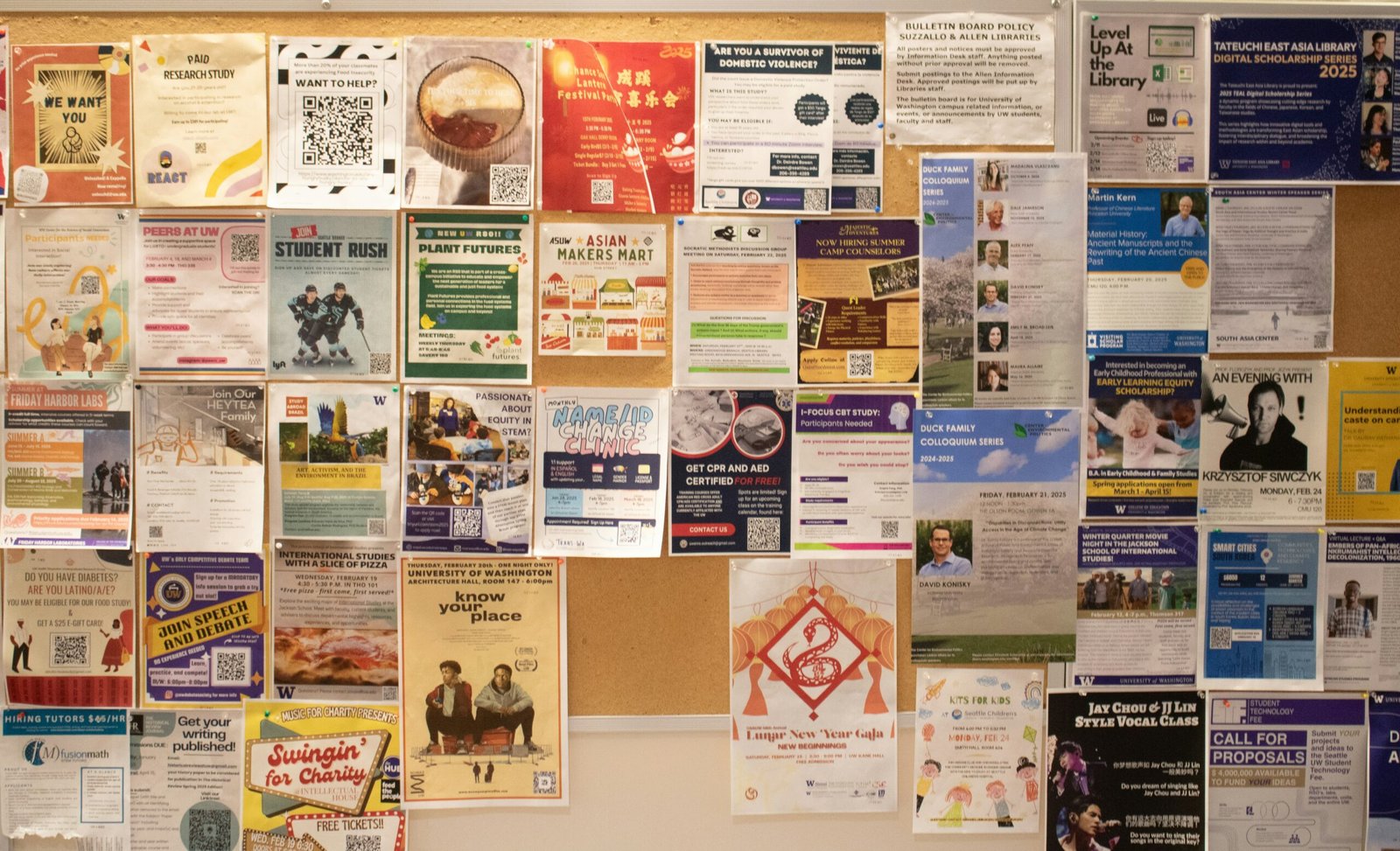
So, are campus newspapers ditching their paper copies for good? In a nutshell, yes, most of them are. The era of the weekly print edition filling mailboxes and lounge tables is largely behind us. Today’s campus newspapers are overwhelmingly online, embracing websites, newsletters, podcasts, and social media as their primary ways of getting stories out to students. While a few might still print special editions for big events, the everyday news you’d find in a campus paper is almost certainly living on a screen now.
It’s pretty straightforward to see why campus newspapers have made this move. Think about how you consume information these days. Are you usually holding a newspaper, or are you scrolling on your phone? For most of us, it’s the latter. This shift in how we all get our news has forced student publications to rethink their entire operation.
Footprints in the Digital Sand: Tracking the Move
The digital transition hasn’t been a sudden flip of a switch, but rather a gradual, and in some cases, rapid, adaptation. Publications that once relied on the tangible feel of newsprint have found themselves needing to explore a whole new landscape.
Websites as the New News Hubs
The most common and arguably the most essential digital platform for campus newspapers is their own website. This is where the core of their operation now resides. Think of it as the digital newsroom, constantly updated and accessible from anywhere.
Building a Digital Home
The creation and maintenance of these websites vary, but the intention is clear: to provide a centralized location for all their reporting. This means more than just posting articles; it involves creating a user-friendly experience that encourages regular visits.
Multimedia Integration is Key
Gone are the days when a story was just words on a page. Websites allow for the seamless integration of photos, videos, and audio. This makes stories more engaging and can convey information in ways that print simply can’t.
Social Media: Connecting with the Student Body
Social media platforms have become indispensable tools for campus newspapers. They are no longer just promotional channels but active spaces for engagement and distribution.
Instagram for Visual Storytelling
For many publications, Instagram has become a go-to for sharing visually appealing content. This includes photos from events, infographics, and short video clips that tease longer stories. It’s a quick way to grab attention and drive traffic to their website.
Twitter/X for Real-Time Updates
When breaking news happens on campus, Twitter (or X, as it’s now known) is often the fastest way for students to get information. Campus newspapers use it to share immediate updates, corrections, and to engage in conversations with their readers.
TikTok for Reaching a Younger Audience
The rise of TikTok has presented a new frontier for student journalism. Publications are experimenting with short-form video content, making news more digestible and approachable for a generation that spends a significant amount of time on the platform.
Email Newsletters: Curated Content Delivered Directly
While social media offers broad reach, email newsletters provide a more intimate and curated experience for readers. They allow publications to deliver targeted content directly to subscribers’ inboxes.
Building Loyalty Through Direct Communication
Newsletters help build a loyal readership by offering a consistent stream of relevant content. They can highlight the week’s top stories, provide exclusive insights, or even solicit reader feedback.
Strategic Content Curation
Instead of overwhelming readers with everything, newsletters often offer a carefully selected digest of the most important or interesting stories. This makes it easier for students to stay informed without feeling swamped.
Podcasts and Video Reports: Dynamic Storytelling
The evolution of digital platforms has also opened doors for more dynamic storytelling methods. Podcasts and dedicated video reports allow for deeper dives into topics and a more personal connection with the audience.
Audio Journalism’s Resurgence
Podcasts have seen a significant resurgence, and campus newspapers are leveraging this trend. They can host discussions, interview faculty and students, and explore campus issues in an audio format that’s perfect for commuting or multitasking.
Video as a Powerful Medium
Video reports offer a visual and engaging way to present news. From campus event coverage to in-depth documentary-style pieces, video allows for a richer narrative and can bring stories to life in a way that text alone cannot.
The Pressures Behind the Pivot: Why the Change Was Necessary
This move to digital wasn’t just about hopping on a trend; it was born out of necessity. Several significant challenges pushed campus newspapers to re-evaluate their existence in print.
The Creeping Costs of Paper and Ink
Printing physical newspapers is not cheap. The costs associated with paper, ink, and distribution have been steadily increasing. For student publications that often operate on tight budgets, these rising expenses became a significant burden.
Declining Advertising Revenue
Historically, print advertising was a primary revenue stream for many campus newspapers. However, as readership shifted online, advertisers followed suit, leading to a sharp decline in print ad revenue. This created a financial hole that was difficult to fill.
Shifting Readership Habits
As mentioned, students are consuming information differently. They’re accustomed to getting news instantly and on their mobile devices. The slower pace of print and its less immediate nature simply didn’t align with these new habits.
Budget Cuts and Their Impact
Beyond the external pressures, internal budget constraints within universities have also played a role. Reduced funding for student organizations, including publications, has often meant fewer resources available for print operations.
Shrinking Investigative Capacities
When budgets are cut, the ability to conduct in-depth, time-consuming investigative journalism often suffers. This means fewer resources for reporters to dedicate to digging deep into important campus issues, impacting the quality and depth of reporting.
Staffing Shortages in Newsrooms
Limited budgets can also lead to staffing issues. Fewer paid positions or reliance on volunteer staff can make it challenging to maintain a consistent and experienced editorial team, further impacting the publication’s output.
The Digital Divide: Navigating the New Landscape

Moving to digital isn’t just about posting articles online; it requires a fundamental shift in how news is produced, distributed, and consumed. Campus newsrooms are learning new skills and adapting to a faster-paced environment.
Embracing a Multimedia Approach
The expectation now is for stories to be rich and varied. This means journalists need to be comfortable with more than just writing.
Photography and Videography Skills
Visuals are paramount online. Reporters and editors are increasingly expected to have basic photography and videography skills, or work closely with dedicated visual journalists.
Audio Production for Podcasts
The rise of podcasts means some individuals within the newsroom need to develop audio editing and production skills. This involves learning about microphones, recording software, and sound design.
Mobile-First Design: Meeting Readers Where They Are
Given that most students access news on their phones, a mobile-first approach to design and content presentation is crucial.
User Experience is Paramount
Websites need to load quickly on mobile devices and be easy to navigate. Clunky or slow-loading sites will drive readers away.
Bite-Sized Content and Engaging Formats
Short, visually appealing content often performs best on mobile. This might include quick summaries, eye-catching graphics, and interactive elements.
Engaging with the Audience in New Ways
Digital platforms offer unprecedented opportunities for interaction between the publication and its readers.
Live Q&As and Discussions
Social media and website comments sections allow for real-time conversations. Campus newspapers can host live Q&A sessions with reporters or subjects of their stories, fostering a sense of community.
Soliciting Reader Contributions
Digital platforms make it easier for readers to submit tips, story ideas, and even their own written or visual contributions, creating a more participatory news environment.
The Future of Campus Journalism: Adaptation and Innovation
Despite the challenges, student journalism is far from dead. In fact, it’s adapting and evolving, driven by the same innovative spirit that fueled its print predecessors.
The Role of Emerging Technologies
Technology is not just a challenge; it’s also a powerful enabler for campus newsrooms.
Artificial Intelligence in Journalism
AI is starting to make its mark. While not replacing human journalists, AI tools can assist with tasks like transcribing interviews, summarizing complex reports, and even generating initial drafts. This frees up journalists for more critical tasks.
Interactive Data Journalism
Presenting data in interactive ways can make complex issues more understandable and engaging for readers. Campus newspapers can use tools to create charts and graphs that users can explore themselves.
Personalization and Targeted Content
As technology advances, there’s potential for newsrooms to offer more personalized content experiences, tailoring newsletters or website recommendations to individual reader interests.
The Enduring Value of Student Journalism
Even as the format changes, the fundamental role of campus newspapers remains vital. They provide a crucial voice for the student body and hold institutions accountable.
A Unique Campus Perspective
Only an independent campus newspaper can truly capture the nuances of campus life, the concerns of students, and the specifics of university policies. This perspective is invaluable to the campus community.
Holding Power Accountable
Student journalists play a critical role in investigating and reporting on issues that affect students, faculty, and the broader university administration. This accountability function is essential for a healthy campus environment.
Developing Future Journalists
For students interested in a career in journalism, campus publications are invaluable training grounds. They provide hands-on experience in reporting, editing, and now, digital content creation, preparing them for the modern media landscape.
Navigating the Hybrid Model: A Bridge to the Digital Future
| Newspaper Name | Current Format | Online Readership | Social Media Followers |
|---|---|---|---|
| The Campus Chronicle | 10,000 monthly | 5,000 | |
| The Independent Voice | 8,000 monthly | 3,500 | |
| Campus Gazette | 12,000 monthly | 6,000 |
While many publications have gone entirely digital, some have found a middle ground, adopting a hybrid approach that incorporates elements of both print and digital.
The Strategic Use of Limited Print Editions
For those retaining some print presence, it’s often strategic. Print editions are reserved for occasions where they have the most impact or offer a unique value.
Special Issues and Anniversaries
Think graduation issues, major campus event guides, or significant anniversaries. In these cases, a physical keepsake can still hold considerable appeal and serve as a tangible record.
Targeted Distribution for Specific Events
Print might be used for distribution at specific campus events, like orientation or major sports games, to reach an audience that may be less digitally engaged at that moment.
The Digital-First Strategy, with Print as an Accent
The emphasis is firmly on digital, with print serving as a complementary feature rather than the primary output.
Website as the Daily Source
The website functions as the 24/7 news source, updated constantly with breaking news, feature stories, and multimedia content.
Print for Deeper Dives and Collectibles
When a print edition is produced, it might feature longer-form investigative pieces, in-depth analysis, or editor’s columns that are designed for a more leisurely read.
Ensuring Accessibility for All
This hybrid approach attempts to cater to a broader readership, acknowledging that while most prefer digital, some still appreciate a physical copy, and ensuring that core news remains accessible through the primary digital channels.
In conclusion, the shift of campus newspapers to digital platforms is a reality driven by evolving media consumption, financial pressures, and the inherent advantages of online communication. While some challenges persist, the adaptability and innovation evident in student journalism today suggest a vibrant future, one where stories are told through a multitude of digital mediums, reaching students wherever they are.
FAQs
What is the trend of independent campus newspapers moving to digital platforms?
The trend of independent campus newspapers moving to digital platforms is on the rise. Many campus newspapers are transitioning from traditional print formats to digital platforms in order to reach a wider audience and adapt to the changing media landscape.
Why are independent campus newspapers making the shift to digital platforms?
Independent campus newspapers are making the shift to digital platforms in order to stay relevant in the digital age, reach a larger audience, reduce printing costs, and adapt to the preferences of modern readers who consume news primarily through digital channels.
What are the benefits of independent campus newspapers moving to digital platforms?
The benefits of independent campus newspapers moving to digital platforms include increased accessibility, the ability to incorporate multimedia elements such as videos and interactive graphics, reduced environmental impact, and the potential for greater engagement with readers through social media and other digital channels.
What challenges do independent campus newspapers face when transitioning to digital platforms?
Challenges that independent campus newspapers may face when transitioning to digital platforms include the need for technical expertise, potential resistance from traditionalists who prefer print formats, the need to develop new revenue streams in the digital space, and the need to adapt to the fast-paced nature of digital news production.
How can independent campus newspapers ensure a successful transition to digital platforms?
To ensure a successful transition to digital platforms, independent campus newspapers can invest in training for staff members, conduct audience research to understand the preferences of their readers, develop a comprehensive digital strategy, and seek partnerships with other digital media outlets or technology companies.