So, you’re thinking about installing an Energy Recovery Ventilator (ERV) in your home? That’s a smart move if you’re looking to improve your indoor air quality without a serious hit to your energy bill. ERVs work by bringing fresh outside air in and exhausting stale indoor air, but the clever part is how they transfer heat and humidity between these two air streams, helping to keep your comfortable indoor temperature and humidity levels more stable. This article will walk you through what to expect when you decide to get one installed.
Before you even pick up the phone, there’s some groundwork to do. Getting this right upfront will make the actual installation smoother and ensure you get the most out of your new ERV system.
Assessing Your Home’s Needs
Not every home is the same, and neither are their ventilation needs. Think about how your house is currently performing.
Air Sealing and Insulation Status
An ERV is most effective in a well-sealed and insulated home. If your house has a lot of drafts or poor insulation, a significant portion of the energy savings might be lost before the ERV can even do its job. Consider having an energy audit done to pinpoint any major air leaks or insulation gaps. Addressing these issues first can significantly boost the ERV’s performance and your overall comfort.
Existing HVAC System
Your current heating and cooling system plays a role in how an ERV will integrate. Is it a forced-air system with ductwork? Or are you dealing with radiant heating or ductless mini-splits?
- Forced-Air Systems: These are the most straightforward for ERV integration. The ERV can often tap into existing ductwork, making the installation cleaner and more efficient.
- Other Systems: If you don’t have forced air, you might need a more customized approach, potentially involving separate duct runs specifically for the ERV. This can add to the complexity and cost.
Indoor Air Quality Concerns
Are you experiencing specific issues like persistent musty odors, high humidity, or concerns about allergens and pollutants? These can help inform the type and size of ERV you’ll need.
Choosing the Right ERV Unit
There are various ERV models out there, and the best one for you will depend on your home’s size, climate, and specific needs.
Understanding ERV vs. HRV
It’s important to distinguish between ERVs and Heat Recovery Ventilators (HRVs).
- ERVs (Energy Recovery Ventilators): These transfer both heat and moisture. They’re ideal for climates with humid summers or dry winters where managing humidity is crucial.
- HRVs (Heat Recovery Ventilators): These primarily transfer heat, with a much smaller amount of moisture transfer. They’re generally better suited for very cold, dry climates where preserving indoor humidity is a priority, or in milder climates where humidity isn’t a major concern.
Sizing the Unit
An undersized ERV won’t provide adequate fresh air, while an oversized one can be inefficient and potentially cause issues. A professional HVAC installer can calculate the appropriate airflow rate (measured in CFM – cubic feet per minute) based on your home’s volume and your specific ventilation goals.
Features to Consider
Look for features like variable speed fans for adjustable airflow, bypass modes for free cooling during mild weather, and good filtration options. Compatibility with smart home systems might also be a plus for some.
The Installation Process: What to Expect
Once you’ve chosen your ERV and found a qualified installer, the actual work begins. Understanding the steps involved can help alleviate any concerns.
Site Preparation and Access
The installers will need to determine the best locations for the ERV unit and its associated ductwork.
Locating the ERV Unit
Typically, ERVs are installed in unconditioned spaces like attics, basements, or garages. The chosen location needs to be accessible for installation and future maintenance.
Ductwork Routing
This is often the most involved part of the installation. The system requires intake and exhaust vents to the outside, as well as connections to your home’s interior air.
- Existing Ductwork Integration: If you have a forced-air system, the ERV can often connect to the main supply and return ducts. This usually means cutting into existing ductwork.
- New Ductwork: In homes without existing ductwork or where integration is difficult, new duct runs will need to be installed. This can involve running ducts through walls, ceilings, or chases. The goal is to minimize the visual impact and ensure proper airflow.
Penetrations and Sealing
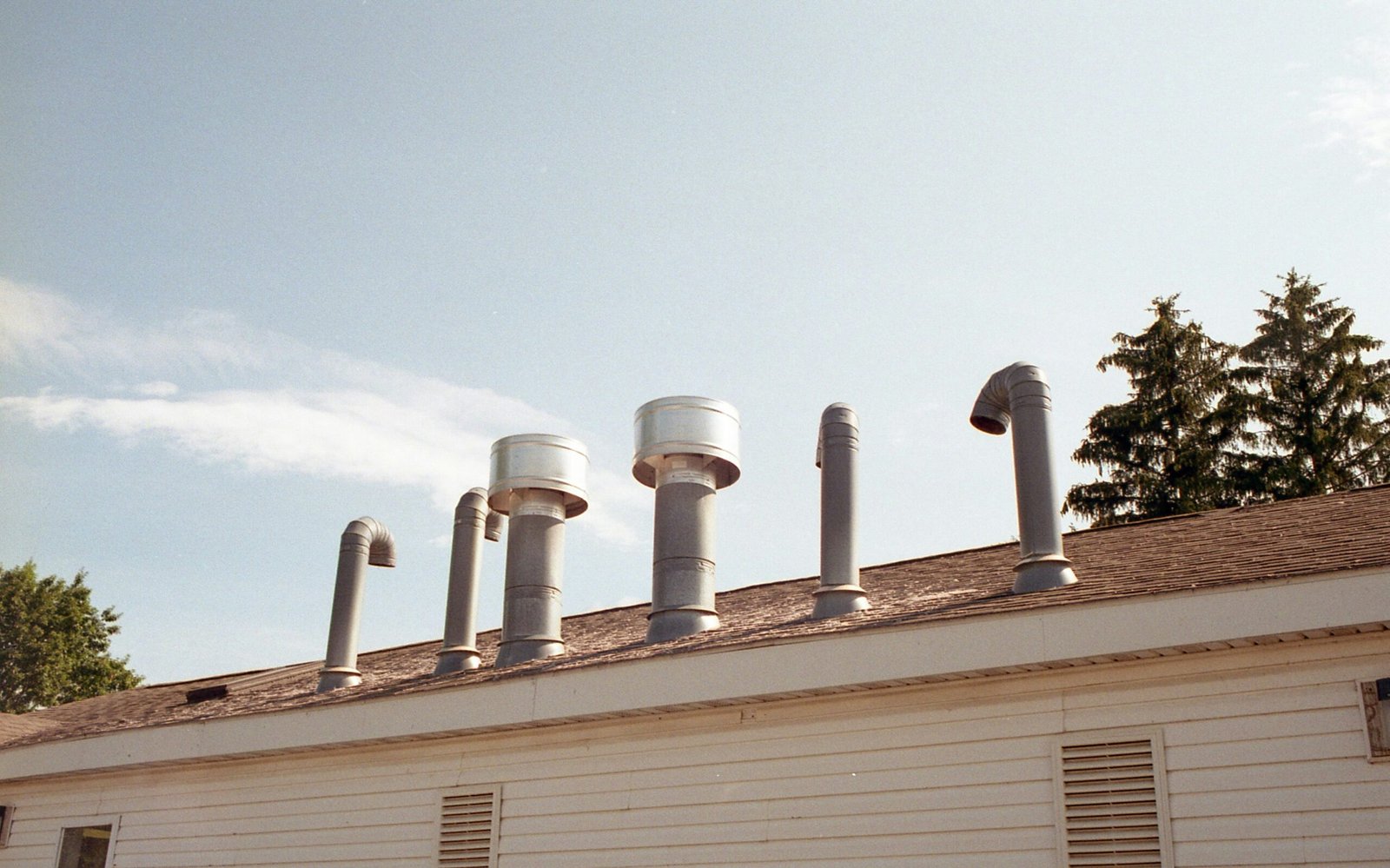
The process will involve making small penetrations through your home’s exterior walls or roof for the fresh air intake and stale air exhaust. Proper sealing of these penetrations is critical to prevent drafts and moisture issues.
Electrical and Control Wiring
Your ERV unit will need a dedicated electrical connection and wiring for its controls.
Power Supply
The installer will ensure the ERV is connected to an appropriate electrical circuit, meeting all safety codes. Some units may require a dedicated circuit.
Thermostat and Control Integration
The ERV’s controls will likely be tied into your home’s thermostat or have a separate control panel. This allows you to manage its operation, schedule ventilation, and select different modes.
Balancing and Commissioning
This is a crucial step that ensures the system operates as designed.
Airflow Balancing
The installers will use specialized tools to measure and adjust the airflow rates at each vent. This ensures that the correct amount of fresh air is delivered to each area and that stale air is effectively exhausted, maintaining a healthy pressure balance in your home.
System Testing
Once everything is connected and balanced, the system will be run through its paces. This includes checking for proper operation of fans, dampers, and any integrated controls.
Post-Installation: Maintenance and Benefits
Installation is just the beginning. Proper maintenance will ensure your ERV continues to perform efficiently for years to come.
Routine Maintenance Tasks
ERVs are relatively low-maintenance, but neglecting them can impact performance and air quality.
Filter Replacement
This is the most important task. Filters capture dust, pollen, and other airborne particles. They typically need to be replaced every 3 to 12 months, depending on the filter type and your home’s environment. Your installer will advise on the recommended schedule and filter type.
Core Cleaning
The heat-exchange core can accumulate dust over time. Most ERVs have a core that can be removed and cleaned. This might involve vacuuming or washing the core, typically done annually or as recommended by the manufacturer.
Checking Drain Pan and Lines
ERVs condense moisture, especially in humid conditions. The drain pan and line need to be checked to ensure they are clear and draining properly. Clogged drains can lead to water damage or mold growth.
Understanding the Benefits
After the installation, you should start noticing tangible improvements.
Improved Indoor Air Quality
This is the primary benefit. ERVs continuously supply fresh, filtered air, diluting indoor pollutants like volatile organic compounds (VOCs) from building materials and furnishings, as well as allergens and excess moisture. This can lead to a healthier living environment, which is particularly beneficial for individuals with asthma or allergies.
Energy Savings
By pre-conditioning incoming fresh air, the ERV significantly reduces the load on your heating and cooling system. This means your furnace or air conditioner doesn’t have to work as hard to reheat or recool the incoming air, leading to lower energy bills. The extent of savings will depend on your climate, the efficiency of your HVAC system, and how well-sealed your home is.
Humidity Control
ERVs help manage indoor humidity levels. In humid climates, they can transfer some moisture from the incoming air, reducing the humidity inside your home. In dry climates, they can retain some moisture, preventing your indoor air from becoming too dry. This contributes to comfort and can also help prevent issues like mold growth or static electricity.
Troubleshooting Common Issues
Even with a well-installed system, you might encounter minor hiccups. Knowing what to look for can help you address them quickly.
Reduced Airflow
If you notice less air coming from your vents, it’s often a simple fix.
Dirty Filters
The most common culprit is clogged filters. Check your filters and replace them if they appear dirty.
Blocked Ducts or Vents
Ensure that furniture or other objects aren’t obstructing the ERV vents inside your home. Also, check the exterior intake and exhaust vents to make sure they are not blocked by debris, snow, or vegetation.
Strange Noises
Occasional noises are normal, but persistent or unusual sounds warrant investigation.
Fan Motor Issues
If you hear grinding or buzzing, it could indicate a problem with the fan motor. Contact your installer.
Ductwork Vibrations
Sometimes, ductwork can vibrate against framing or other components. This can often be fixed by securing the ductwork.
Odors
If you notice new or unusual odors from your ERV, it’s important to address them promptly.
Filter Contamination
Filters can become saturated with odors from the air they are filtering. Replacing them is usually the first step.
Core Issues
If the heat exchange core is dirty or has been exposed to significant odors, it might require cleaning or even replacement.
Drainage Problems
If the drain pan or line is not functioning correctly, stagnant water can lead to mold and mildew, causing unpleasant smells. Ensure the drain is clear.
Choosing a Qualified Installer
| Metrics | Data |
|---|---|
| Energy Recovery Ventilation System Cost | 3,000 – 6,000 |
| Energy Savings | Up to 40% |
| Installation Time | 1-2 days |
| System Efficiency | Up to 95% |
The success of your ERV installation hinges on having a competent professional handle the job.
Contractor Credentials and Experience
Look for HVAC contractors who have specific experience with ERV installations. Ask for references and check reviews.
Certifications and Licenses
Ensure the contractor is licensed and insured in your area. Relevant certifications from organizations like NATE (North American Technician Excellence) can indicate a higher level of expertise.
Understanding of Building Science
An installer with a good grasp of building science can better integrate the ERV into your home’s overall performance, maximizing its benefits.
Getting Multiple Quotes
It’s always wise to get at least three quotes for the installation. This will give you a good understanding of the going rates and allow you to compare different proposals.
Scope of Work Definition
Make sure each quote clearly outlines the scope of work, including the make and model of the ERV, the number of vents, ductwork modifications, and any related electrical work.
Warranty and Guarantees
Inquire about the warranties offered on both the ERV unit itself and the installation work. A good installer will stand behind their work.
By understanding these aspects of ERV installation and maintenance, you can make an informed decision and look forward to a healthier, more comfortable, and energy-efficient home.
FAQs
What is an energy recovery ventilation system?
An energy recovery ventilation (ERV) system is a type of mechanical ventilation system that helps to improve indoor air quality by exchanging stale indoor air with fresh outdoor air, while also recovering the energy from the outgoing air to precondition the incoming air.
How does an energy recovery ventilation system work?
An ERV system works by using a heat exchanger to transfer the heat and moisture from the outgoing air to the incoming air, without the two air streams mixing. This helps to reduce the energy required to heat or cool the incoming air, while also controlling humidity levels.
What are the benefits of installing an energy recovery ventilation system?
Installing an ERV system can help improve indoor air quality, reduce energy costs by pre-conditioning the incoming air, and maintain comfortable humidity levels in the home. It can also help to reduce the strain on heating and cooling systems.
What are the considerations for installing an energy recovery ventilation system?
When installing an ERV system, it’s important to consider the size of the system needed for the space, the location for installation, and the maintenance requirements. It’s also important to ensure proper installation and sealing to prevent air leakage.
Are there any drawbacks to installing an energy recovery ventilation system?
While ERV systems offer many benefits, there are some potential drawbacks to consider, such as the initial cost of installation, the need for regular maintenance, and the possibility of increased noise levels from the system. Additionally, in very cold or very hot climates, the effectiveness of the system may be reduced.